
Bitcoin Freedom Summer

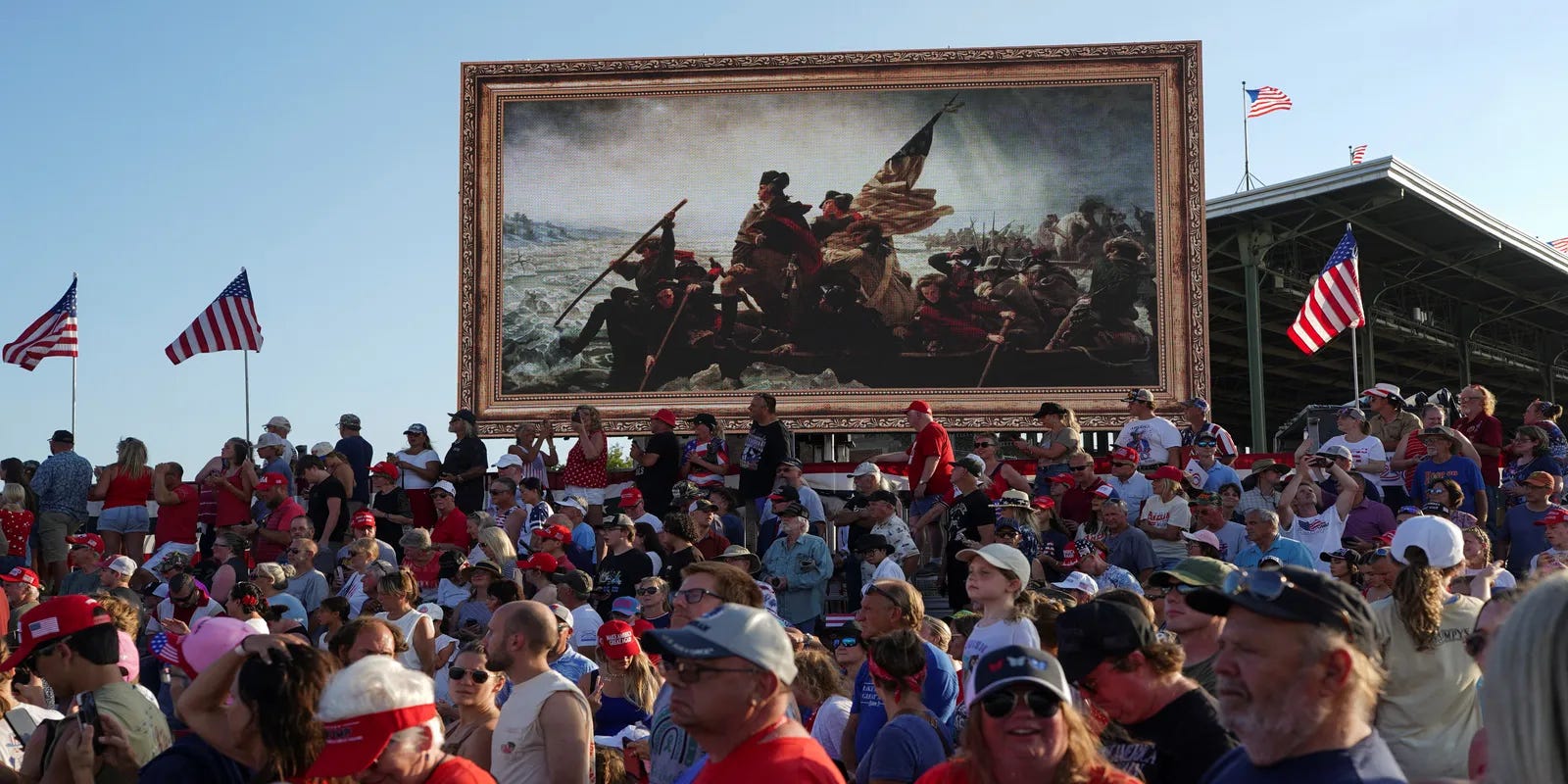
I hereby declare this to be Bitcoin Freedom Summer, which happens to mark the 250th birthday of the United States of America. There is no asset that better embodies the ideals of the founding fathers than Bitcoin: freedom, sovereignty, and the right to hold something that no government can debase or confiscate.
I have always followed Bitcoin throughout the years. I started listening to more podcasts on Bitcoin during its pullback in the summer of 2021. It was not until the summer of 2022, during a deeper bear market, that I decided to truly learn more about Bitcoin and dive down the rabbit hole.
During summer of 2022, I thought to myself, How did this volatile digital asset still have a $500 billion market cap in a bear market? Why were there jobs being created out of an asset class that didn't have a CEO, and why were there annual conventions around Bitcoin itself? Why in the hell were people still obsessed with this thing that's just digits on a screen? Is it just one big marketing ponzi scheme? Sure, I knew the basics: 21 million coins only, there is a halving every four years, it's scarce, it’s decentralized, it's considered a store-of-value, Michael Saylor is bullish on this stuff.

So how does one go about going down the rabbit hole? The best way for me to learn is to A) listen to podcasts, and B) read books…preferably at the pool or beach. So you have two tools at your disposal here. The Bitcoin Standard by Saifedean Ammous was a tough read for me, so I can't admit that it helped all that much. It was not until I began listening to Michael Saylor's interview on the Lex Fridman podcast, which had just been recorded in April 2022, that something hit me over the head, kind of like an aha moment.
That aha moment cannot be easily described, which is probably why Bitcoin is such a heavily debated asset. But let me try and take a stab at it: I discovered, or realized, that the invention of Bitcoin could probably never be recreated again due to so many specific things that perfectly timed up at once. Quoting myself here from a post in December 2024: "Bitcoin's creation and adoption were the result of specific historical, technological, and social conditions that aligned at just the right time."
If you're not a believer in Bitcoin's value, that statement still wouldn't matter to you. But it was probably the missing piece for me, to understand that this thing on a screen that is digital can never be recreated or replicated. Again, this was the missing piece for me, but it may not be the missing piece for you.
As the years have gone by since that summer of 2022, the best way I describe Bitcoin is through the school of Jack Mallers, describing it as arguably the best form of money. I can calmly and intelligently have a debate with any bear using that core thesis years later. For example, I respect the opposing view if someone were to claim that Gold or the US Dollar is the best form of money. All forms of money have their advantages and disadvantages. I completely respect someone with the firm opinion that Gold is a better form of money than Bitcoin, and the debate can end with us still being friends.
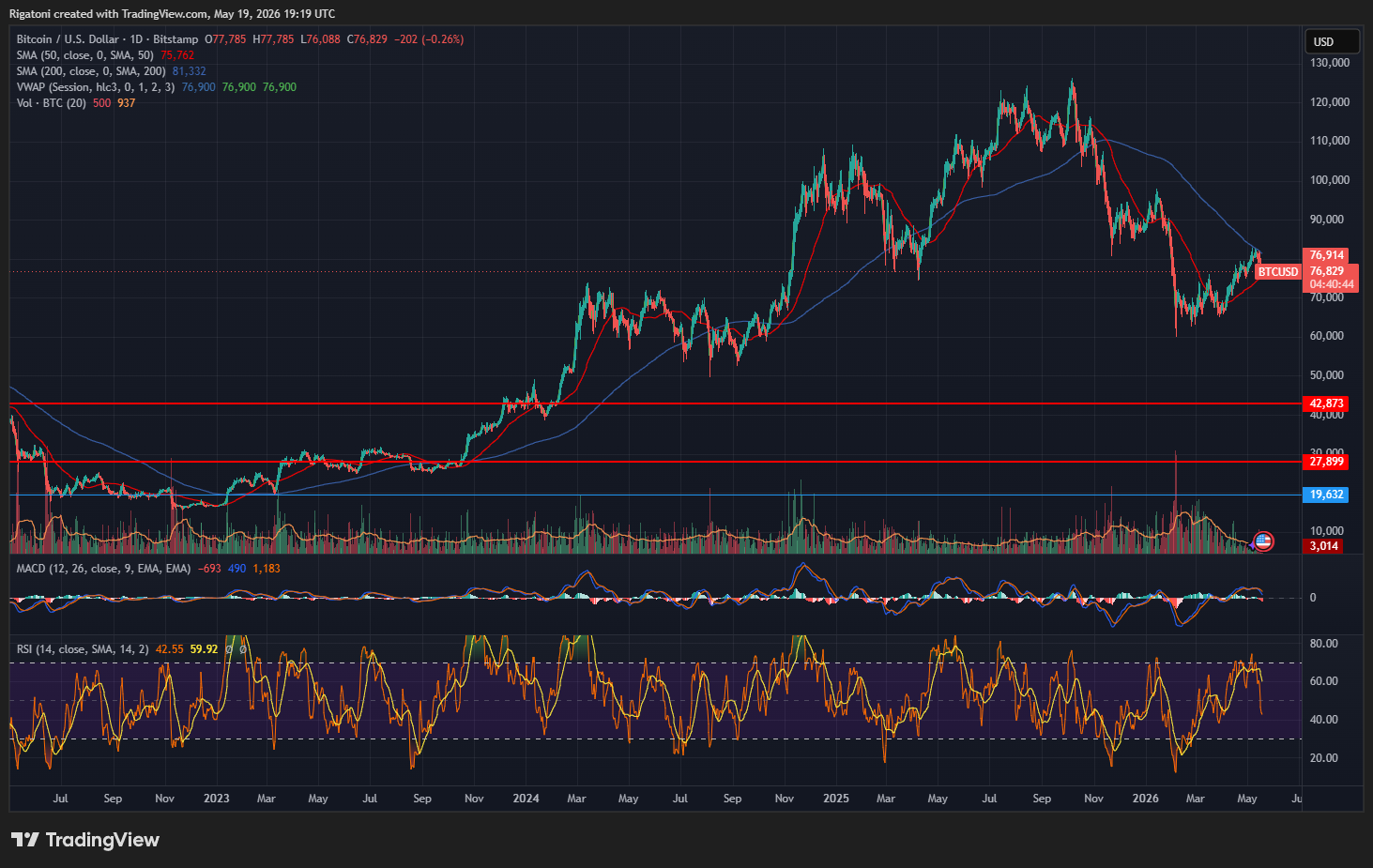
Since we are kicking off the summer season with Memorial Day weekend, my suggestion is this: if you have a little bit of curiosity about Bitcoin, there is no better time than summer to commit to studying and researching the fundamentals of the asset while it is still currently in a bear market.
I have plenty of suggestions in case you’re interested:
Sylvain Saurel newsletter on Substack, “In Bitcoin We Trust,” is a great place to start.
Evergreen podcasts with Michael Saylor are easy to find by searching “Michael Saylor interview” on YouTube or Spotify.
The Coin Stories podcast with Natalie Brunell is another strong resource.
Evergreen podcasts with Jack Mallers can be found by searching “Jack Mallers” on YouTube or Spotify.
On the book side, The Big Print by Lawrence Lepard and Broken Money by Lyn Alden are both excellent.
The Book of Satoshi, 2nd Edition, by Phil Champagne is worth reading as well, though it is better suited if you have a tech background.
Finally, Bitcoin conference presentations such as RFK Jr.’s keynote speech in 2024 are widely available online.
Final Thoughts
If you spend an hour a day in the summer learning Bitcoin, that is roughly 90 hours. You're getting close enough to the estimated 100 hours that may be required to fully understand Bitcoin as an asset class.
If you're like me, after 90 hours, when you hear the word "crypto" you may get a shiver down your spine, as you know Bitcoin is not crypto. It’s way more important to be lumped into the same group as crypto. Bitcoin is the best form of money ever invented and no cryptocurrency comes even close.
Even if you disagree with that statement, isn't it worth spending that time on something that is fairly important, like money?
Yes, it's not a cash producing asset. Yes, I am still a believer in holding cash producing assets to achieve long-term wealth.
You may or may not feel it's worth allocating a percentage of your net worth to Bitcoin, but I would be surprised if you didn't feel that way after roughly 90 hours of rabbit hole research.
Anyway, enjoy your summer, or Bitcoin Freedom Summer if you so choose. God Bless America!
The Rigatoni Capital Podcast is now on YouTube, Spotify, Apple Podcasts, Amazon Music, and iHeart Radio.
In Case You Missed:


Disclaimer: This blog is for informational purposes only and does not constitute financial advice. All opinions are my own, and I am not a financial advisor. The information provided reflects my personal views and is intended to encourage discussion and thought among readers. Investments involve risk, including the loss of principal, and past performance is not indicative of future results. Always conduct your own research or consult with a qualified professional before making any financial decisions.
Thank you for suggesting our content!
I only recently came to the same conclusion. It only took me, oh, three years.